Small Dog's First Snow in Sapporo: A Gentle Introduction
Contents
- Why go slowly with a small dog’s first snow
- Step by step: a gentle first snow walk
- Fresh snow vs. packed snow: what your dog will feel
- Picking a quiet place for a first snow walk
- Watching your dog: when to head home
- After the walk, and getting ready for winter
- FAQ
- How long should my small dog’s first walk in the snow be?
- Is fresh snow or packed snow better for a first walk?
- What should I do if my dog doesn’t like the snow?
In short: let your small dog meet snow a little at a time. Start with short visits, pick a quiet place, let your dog sniff and explore at its own pace, and notice the difference between soft fresh snow and hard, packed snow. Watch your dog closely, and if it seems cold or unsure, end the walk and go home. You can always try again another day.
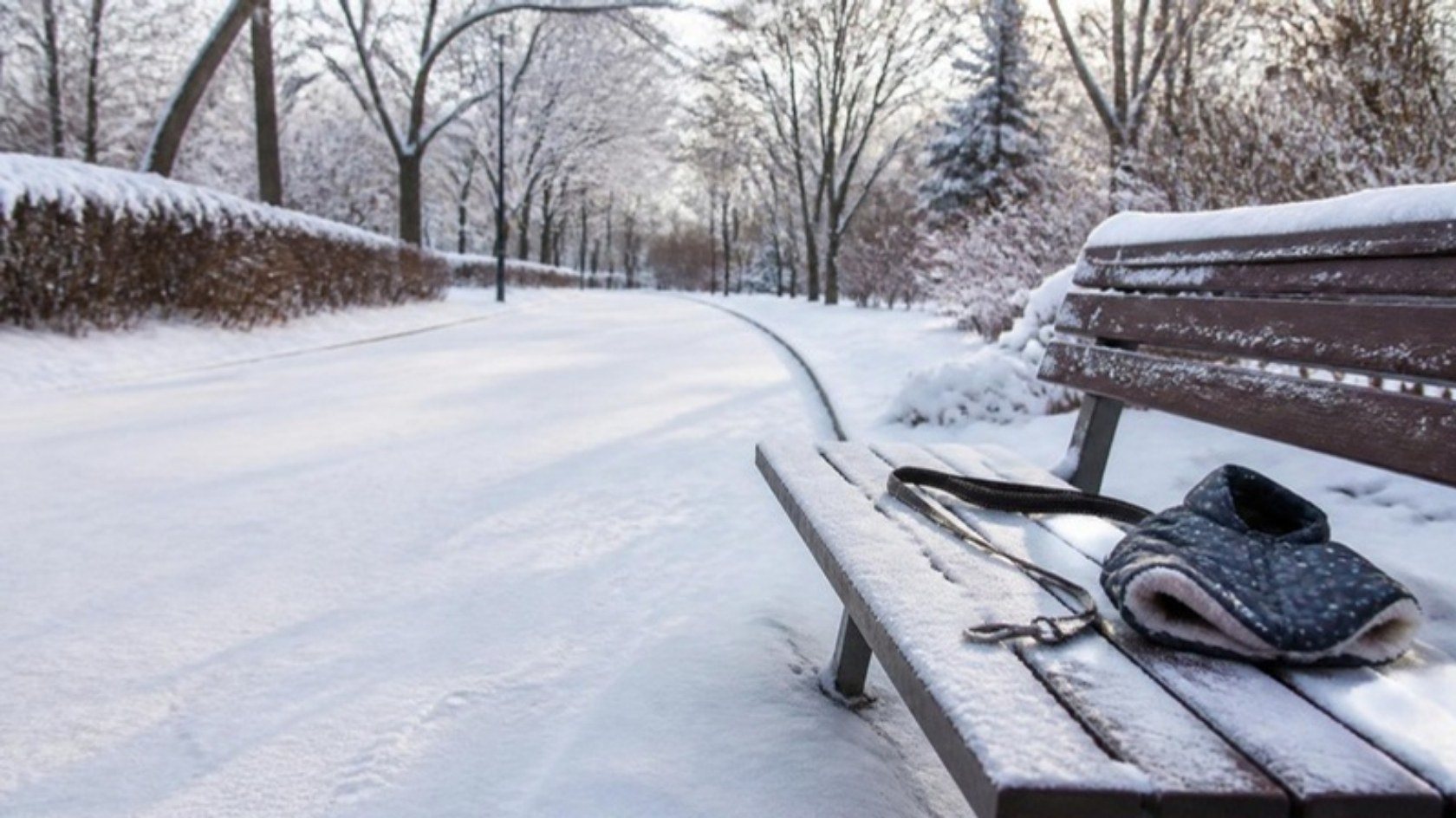
The first snow of the season is a big moment in Sapporo. For a small dog that has never seen snow, it is a whole new world: cold under the paws, strange to the nose, and much deeper from a dog’s height than from yours.
Please read this first: this post is a set of general ideas for introducing a dog to snow. It is not about my own dog, and it is not expert advice. I am not a veterinarian. Every dog is different, so if you have any question about your dog and the cold, please ask your vet.
Why go slowly with a small dog’s first snow
Some dogs run straight into the snow and roll in it. Others stop at the door and refuse to take a step. Either reaction can happen. A slow start gives your dog time to decide that snow is interesting, not scary.
A few reasons a gentle start helps:
- Snow is a new feeling. Cold, wet, and soft or crunchy under the paws can surprise a dog the first time.
- Small dogs are close to the ground. Snow that only covers your shoes may reach a small dog’s legs or belly.
- The city changes in winter. Snowbanks, snowplows, and people with shovels can be new sights and sounds.
Step by step: a gentle first snow walk
Here is one simple way to plan the first few times in the snow. Change it to fit your dog.
| Step | What to do | Point to notice |
|---|---|---|
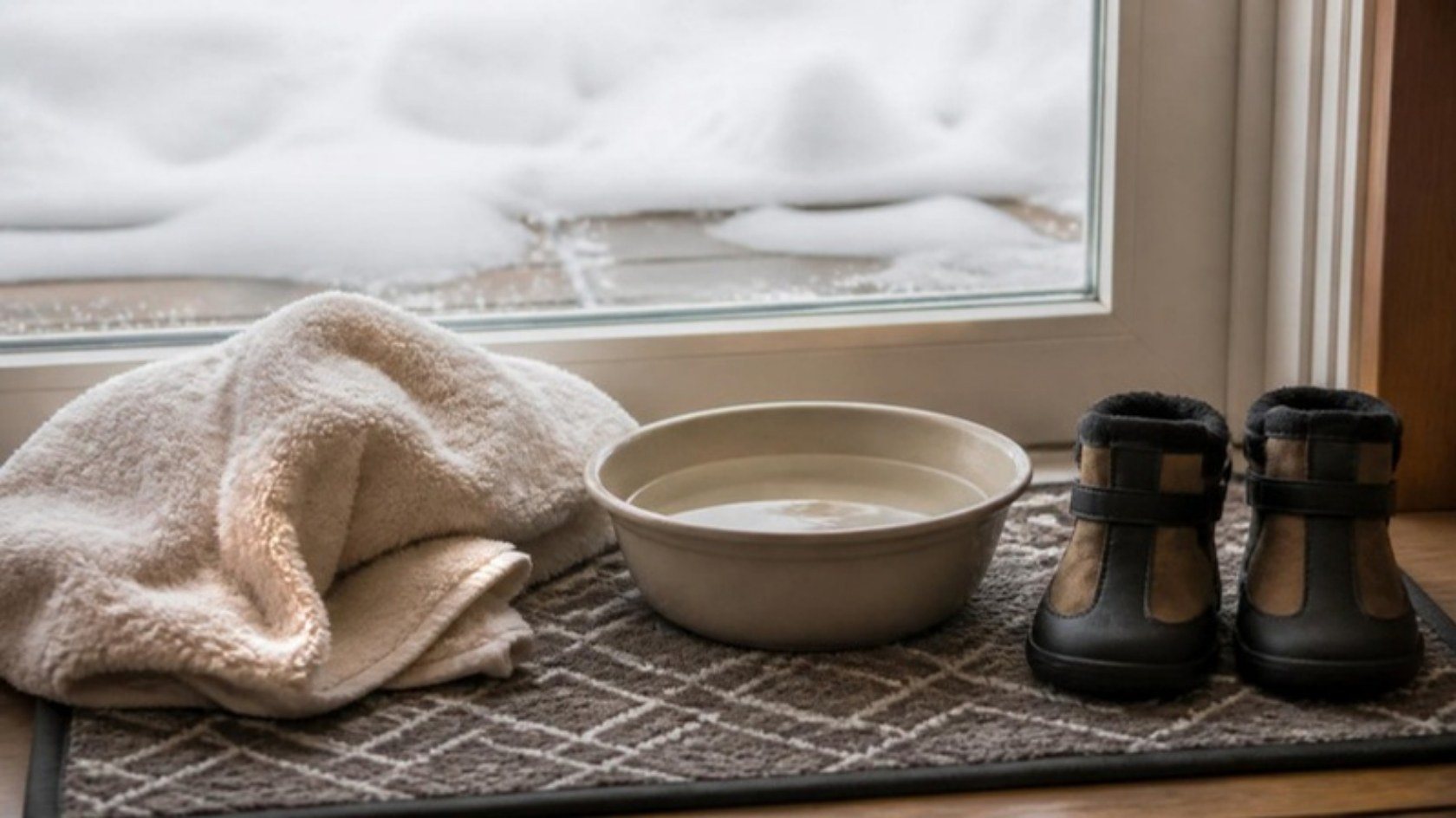
| 1. Look from inside | Let your dog watch the snow from a window or the doorway | Some dogs want to look before they touch |
| 2. Keep it short | Make the first visit a quick one, then go back inside | Ending while your dog is still curious is a good finish |
| 3. Pick a quiet place | Choose a spot with few people, cars, and other dogs | Fewer distractions let your dog focus on the snow |
| 4. Let your dog lead | Let your dog sniff, step, and explore at its own pace | Don’t pull or push your dog into deep snow |
| 5. Watch and praise | Speak calmly and praise small, brave steps | A treat or a favorite toy can help some dogs |
| 6. Head home early | Go inside if your dog seems cold, unsure, or tired | There is always another snowy day |
If your dog seems relaxed and happy, you can make the next visit a little longer. Follow your dog’s pace, not a schedule.
Fresh snow vs. packed snow: what your dog will feel
Snow in Sapporo does not stay the same for long. After a snowfall, the same street can have soft fresh snow, hard packed snow, and slush within a few days. Each one feels different under a small dog’s paws.
| Type of snow | What it is like | What to keep in mind |
|---|---|---|
| Fresh snow | Soft and light, and it can be deep | A small dog may sink in it; walk on a shallow edge first |
| Packed snow | Pressed down by feet and cars, firm and hard | Easier to walk on, but it can be slippery for you and your dog |
| Icy patches | Packed snow that has turned to ice | Walk slowly and go around them where you can |
| Slush | Wet, half-melted snow | Paws, legs, and belly get wet quickly |
For a first walk, a place with a thin layer of fresh snow can be a gentle start. Your dog can feel the snow without sinking into it. Deep, fresh snow can come later, if your dog enjoys it.
Picking a quiet place for a first snow walk
For a dog’s first snow, the place matters, too. A busy sidewalk with people, snowplows, and shovel noise can be a lot for a dog that is already unsure.
Some ideas:
- A quiet corner near home. Your dog already knows the smells, so the only new thing is the snow.
- A calm time of day. Pick a time when fewer people and cars are around.
- Away from the roadside. Snow pushed off the road can be dirty and may contain sand or de-icing materials. My post on paw care after snowy walks explains what the city spreads on roads and sidewalks.
Keep your dog on a leash. Snow can hide holes, curbs, and edges, and a dog that gets excited in the snow may run in a direction you don’t expect.
Watching your dog: when to head home
The most useful thing you can do during a first snow walk is simply watch your dog.
Signs that your dog may be enjoying it:
- Sniffing, digging, or pushing its nose into the snow
- Moving with a relaxed body and a wagging tail
- Wanting to keep exploring
Signs that it may be time to go home:
- Lifting its paws again and again, or stopping and not wanting to move
- Shivering, or pressing close to you
- Pulling toward the door or looking back toward home
- Snow sticking to the fur on the legs and feet
If you see any of these, there is no need to push on. End the walk calmly and go inside. If something about your dog seems unusual to you, or you are not sure how much cold is okay for your dog, please ask your vet rather than guessing.
After the walk, and getting ready for winter
When you come back inside, your dog’s paws, legs, and belly will probably be wet and cold. A short routine at the door helps: wipe, rinse if needed, and dry well, including between the toes. My post on paw care after snowy walks goes through it step by step.
The first snow is also a good reminder to get ready for the long season ahead. For a simple list of what to prepare, see Your First Sapporo Winter with a Small Dog: A Simple Checklist. And on days when the weather is too rough to go out, my indoor play ideas for snowy days can help your dog stay busy.
Your dog’s first snow does not need to be perfect. Keep it short, keep it calm, and let your dog explore in its own way. With time, many winter walks may become something you both look forward to.
FAQ
How long should my small dog’s first walk in the snow be?
There is no fixed length. Keep the first visit short and end while your dog still seems curious and relaxed. If your dog seems cold, unsure, or tired, go home early. You can make the next visit a little longer if your dog enjoys it.
Is fresh snow or packed snow better for a first walk?
A thin layer of fresh snow can be a gentle start, because your dog can feel the snow without sinking into it. Packed snow is firmer but can be slippery, and it is wise to avoid icy patches. Deep fresh snow can come later if your dog likes the snow.
What should I do if my dog doesn’t like the snow?
Don’t force it. Go back inside, and try again another day with a shorter visit, from a doorway or a quiet spot near home. Calm words and praise can help. If you are worried about your dog and the cold, ask your vet.