Carrier Training for a Small Dog: A Step-by-Step Guide
Contents
- Why carrier training matters in Japan
- Bag or crate: a quick look at carrier types
- Step by step: carrier training at home
- Making the carrier a good place
- Practicing with the door closed
- From the living room to the street
- Signs to slow down
- A few notes for winter in Sapporo
- FAQ
- How long does carrier training take for a small dog?
- What carrier size do I need for trains in Japan?
- What should I do if my dog cries in the carrier?
In short: carrier training goes more smoothly in small steps. Leave the carrier out at home with the door open, let your dog explore it, add treats and a familiar blanket, keep sessions short, then practice closing the door for a moment at a time. Only after your dog is relaxed inside, start lifting the carrier and taking short trips. Go at your dog’s pace, and step back to an easier stage whenever your dog seems unsure.
In Japan, a carrier is part of daily life with a small dog. Some trains and buses, some shops, and some places to stay may ask that a small dog be inside a carrier. A trip to the vet or the groomer can also be easier when your dog is calm in one. The problem is that a dog that only sees the carrier on those days may learn to dislike it.
Please read this first: this post is a set of general ideas for getting a dog used to a carrier. It is not about my own dog, and it is not expert advice. I am not a dog trainer or a veterinarian. Every dog is different, so if you have any question about your dog, please ask your vet or a trainer you trust.
Why carrier training matters in Japan
My post Living with a Dog in Japan: Basic Rules and Manners explains that rules for pets on trains and buses are set by each company, and that shops have their own rules, too. I don’t list those rules or carrier sizes here, because they differ by company and can change. Before you travel, check each company’s official guidance.
What you can prepare at home is the part that stays the same: a dog that sees the carrier as a calm, normal place.
Bag or crate: a quick look at carrier types
There are a few common kinds of carriers for small dogs. This is not a buying guide, just a way to think about what you have.
| Type | What it is like | Points to check for training |
|---|---|---|
| Soft carrier bag | Fabric bag with mesh windows, carried on the shoulder | Does it keep its shape, or does it sag onto your dog? |
| Hard carrier or crate | Plastic or similar, with a door | Is the door easy for you to open and close quietly? |
| Carrier with a top opening | Opens from above as well as the front | Your dog can be placed in gently, which some dogs prefer |
Whatever type you use, your dog should be able to stand, turn around, and lie down inside. If you plan to use it on a train or bus, check that company’s rules before you choose.
Step by step: carrier training at home
Here is one simple way to plan carrier training. There is no fixed timeline. Some dogs move through a step in one day, and some need many days. Change it to fit your dog.
| Step | What to do | Point to notice |
|---|---|---|
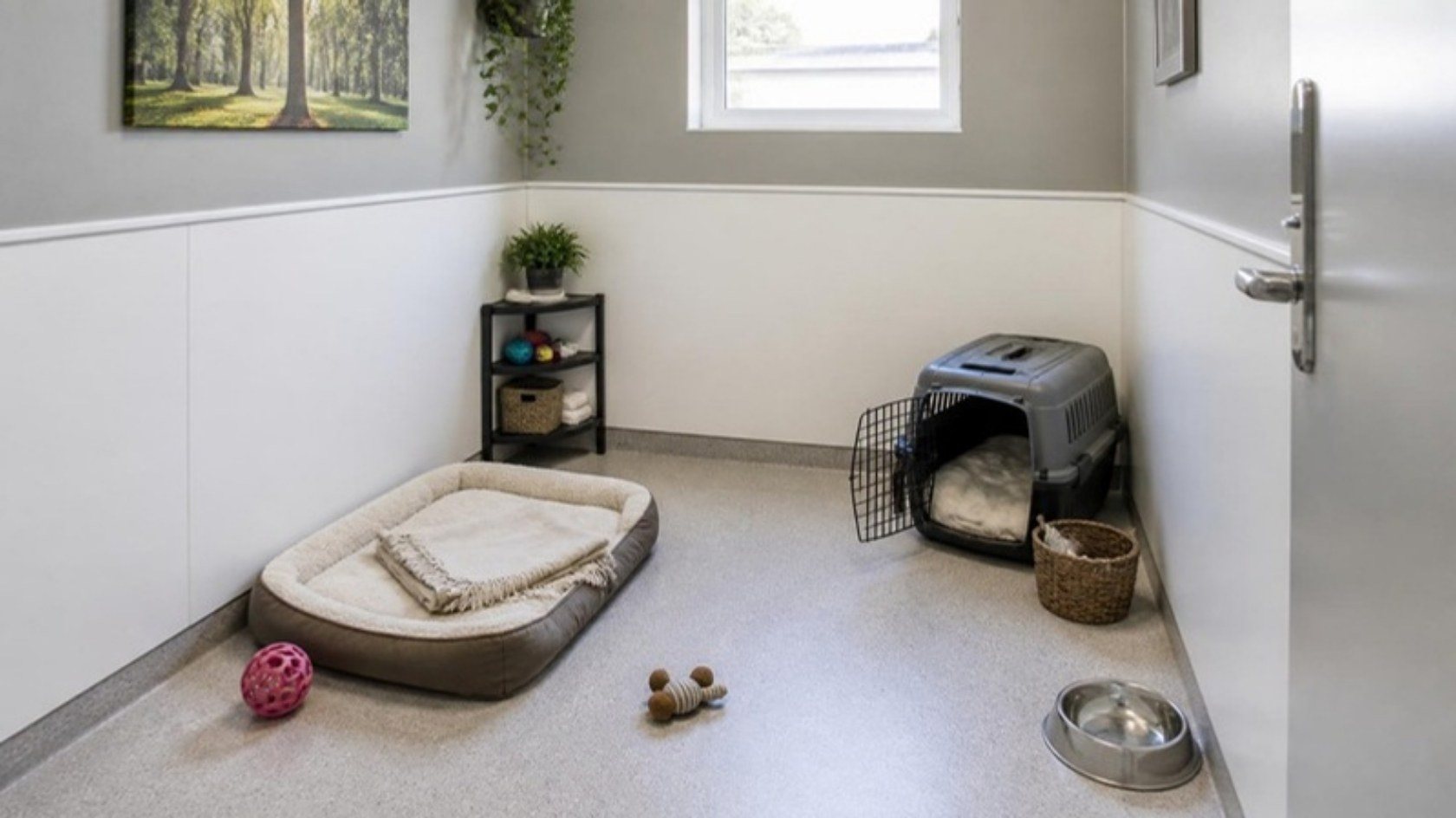
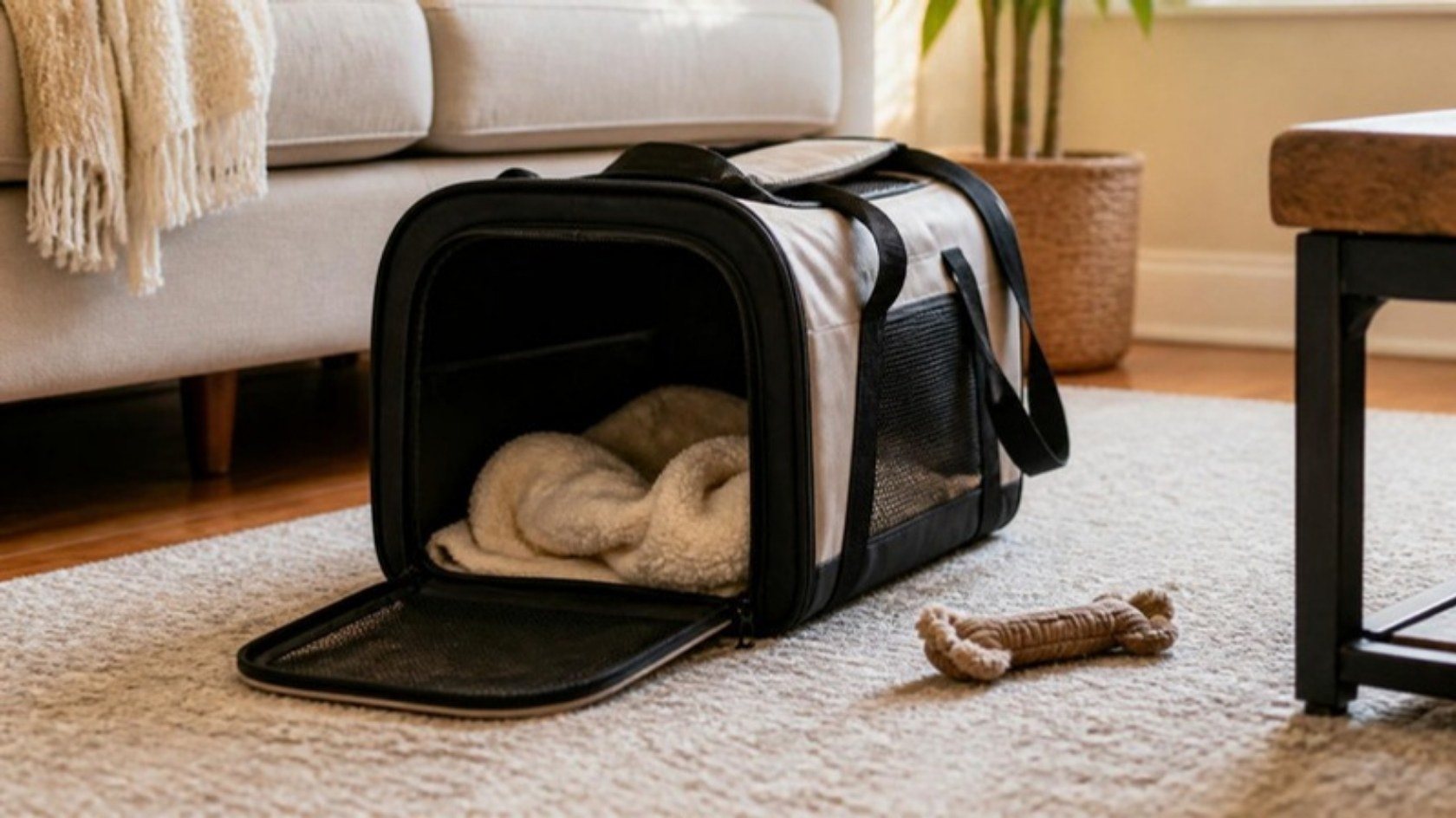
| 1. Leave it out | Put the carrier in a room your dog uses, with the door open or removed | The carrier becomes part of the furniture |
| 2. Make it inviting | Add a familiar blanket or towel, and drop a treat near or inside | Let your dog choose to go in; don’t push |
| 3. Short visits | Praise your dog for stepping in, then let it come out freely | Keep each session short and end on a good note |
| 4. Settle inside | Give a chew or a meal inside the carrier | Your dog learns to relax there, not just pass through |
| 5. Close the door briefly | Close the door for a moment while you stay close, then open it | Open it while your dog is calm, not while it is scratching |
| 6. Lift and walk | Pick up the carrier and walk a few steps around the room | Move smoothly and keep the carrier level |
| 7. Short trips | Go outside for a short walk or a short ride, then come home | Build up slowly before a longer trip |
The key idea is that each step should feel easy for your dog. If your dog seems unsure, go back to the step before and stay there a little longer.
Making the carrier a good place
A few small habits can help your dog connect the carrier with good things:
- Keep it out, not hidden. A carrier that only comes out before a trip can become a warning sign.
- Use familiar smells. A blanket or towel from your dog’s bed can make the carrier feel like home.
- Give treats and chews inside. Something your dog enjoys, given only in the carrier, can make it more interesting.
- Let your dog rest there. If your dog chooses to nap in the carrier, let it be.
Try not to use the carrier as a punishment, and avoid pulling your dog out quickly. You want the carrier to stay a calm, safe place.
Practicing with the door closed
Closing the door is often the hardest step. A few points to keep in mind:
- Start very short. Close the door, wait a moment, and open it again while your dog is still relaxed.
- Stay in sight at first. Sit next to the carrier and talk calmly.
- Add time slowly. Make the closed-door time a little longer only when your dog stays relaxed.
- Open on calm, not on noise. If your dog whines or scratches, wait for a quiet moment before opening, but don’t let it get upset for long. Make the next session easier.
When your dog can rest calmly with the door closed and you nearby, you can try stepping away for a short time.
From the living room to the street
Once your dog is relaxed in the closed carrier at home, you can start moving.
- Lift and carry indoors. Carry the carrier around the room, then set it down gently and give a treat.
- Step outside. Walk a short distance near your home, then go back inside.
- Try new sounds. Stand near a quiet street for a short time, so your dog hears cars and people from inside the carrier.
- Take a short ride. A short car ride, or a short trip on public transport where the company allows dogs in carriers, is a gentle next step.
If you are planning a longer drive, Hokkaido Road Trip with a Small Dog: A Planning Checklist covers how to secure a carrier or crate in the car and plan breaks.
Signs to slow down
Watch your dog during each session. Signs that it may be time to make things easier:
- Refusing to go near the carrier, or backing away from it
- Whining, scratching, or trying hard to get out
- Panting, shaking, or seeming tense
- Not taking a treat it usually likes
If you see these, end the session calmly and go back to an easier step next time. If your dog stays very upset, or something about your dog seems unusual to you, please ask your vet or a trainer rather than pushing on.
A few notes for winter in Sapporo
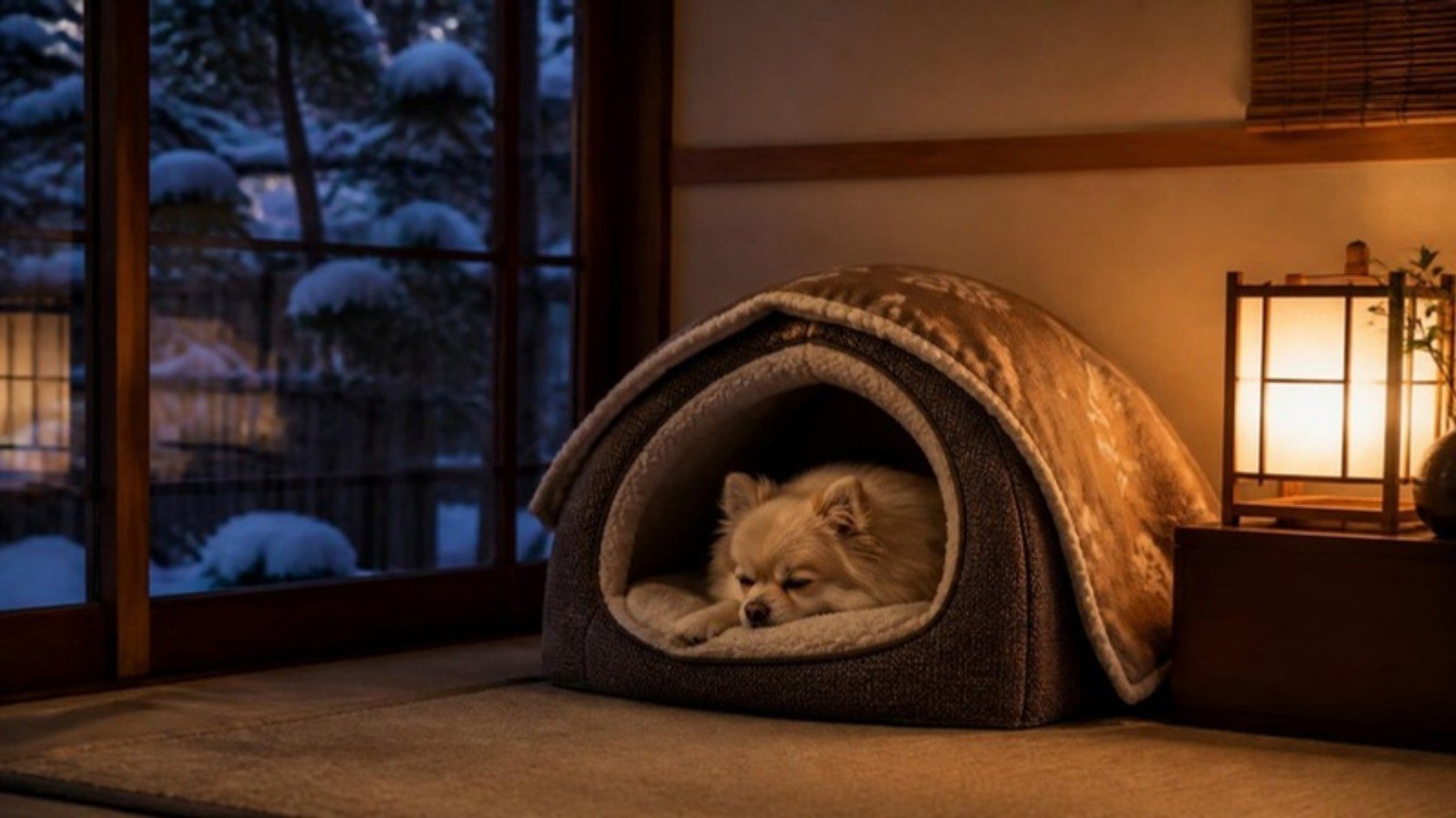
In winter, a carrier can mean going from a cold street into a warm train or shop. When you practice, think about how warm or cold your dog may be inside the carrier, and keep trips short at first. For more on getting ready for the cold season, see Your First Sapporo Winter with a Small Dog: A Simple Checklist.
Carrier training is not a race. Leave the carrier out, keep sessions short and pleasant, and let your dog set the pace. A dog that feels at home in its carrier can make trips, visits, and busy days in Japan a little easier for both of you.
FAQ
How long does carrier training take for a small dog?
There is no fixed length. Each dog moves at its own pace. Move to the next step only when your dog seems relaxed at the current one, and go back a step if it seems unsure.
What carrier size do I need for trains in Japan?
Rules and size limits are set by each railway or bus company and can change. Check the official guidance of the company you plan to use before you travel. At home, your dog should be able to stand, turn around, and lie down in the carrier.
What should I do if my dog cries in the carrier?
Make the next session easier: shorter time, door open, or you sitting close by. Wait for a calm moment before opening the door, but don’t leave your dog upset for long. If your dog stays very upset, ask your vet or a trainer for advice.